Breast Augmentation Chicago, IL

Introduction to Breast Augmentation

According to the American Society of Plastic Surgeons, “nearly 300,000 breast augmentation procedures are performed each year in the United States, making it one of the most popular cosmetic surgeries nationwide.”1 It’s remained one of the most requested cosmetic procedures for a reason: it delivers beautifully balanced, natural-looking results when done with precision and intention.

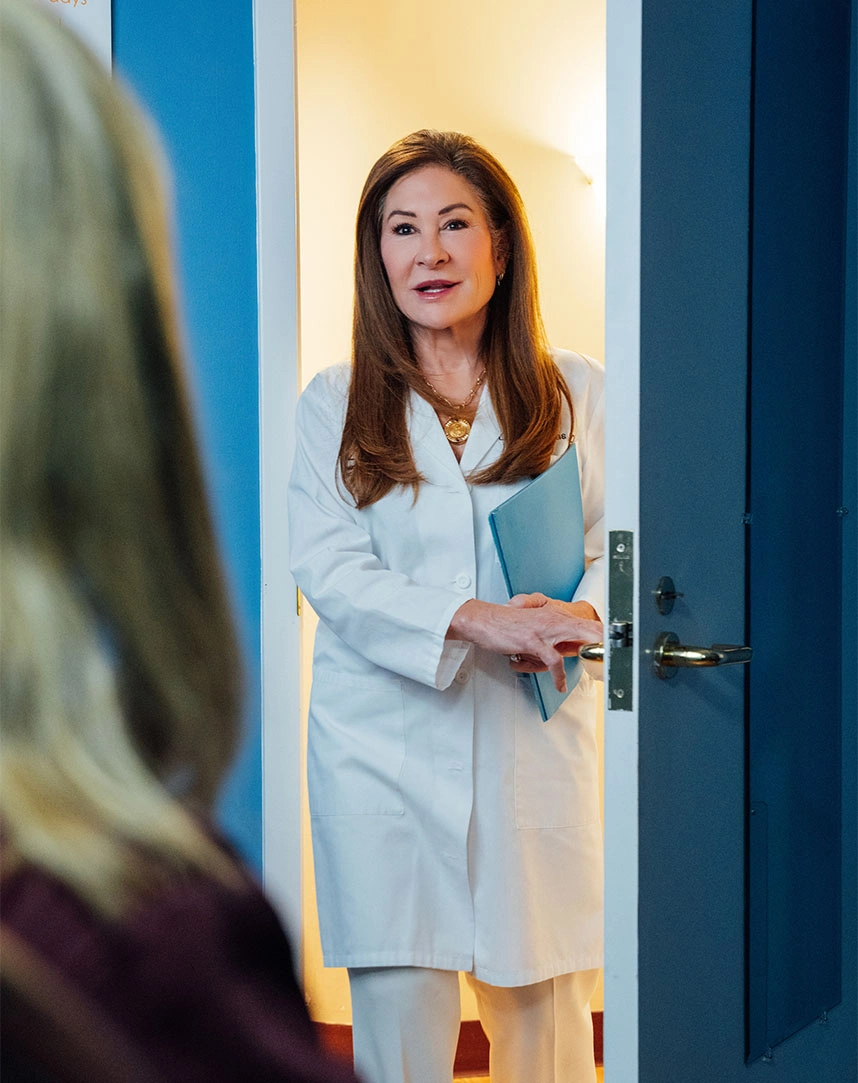
At Casas Aesthetic Plastic Surgery in Glenview, just outside of Chicago, Dr. Laurie Casas approaches breast enhancement with a refined eye and decades of surgical experience.

Woman in black lingerie reclining on white bedding in bedroom setting

What Is Breast Augmentation?

Female breast augmentation, or breast enlargement, is a surgical procedure to enhance the size and shape of a woman’s breasts. Women may select breast augmentation surgery to enhance their breast size or to fill out skin that is now empty following pregnancy or weight loss. By inserting an implant filled with saline or silicone behind each breast, Dr. Casas is able to improve the shape of a female’s breasts as well as to increase the woman’s bustline by one or more bra cup sizes.

Who Are the Best Candidates for Breast Augmentation?

Breast augmentation can provide aesthetically pleasing results, but a list of criteria must be met before you’re considered a suitable candidate. Regardless of how common the procedure may be, it still takes a considerable toll on the body, which means your health must be in order beforehand. Patients can’t have any ongoing infections or serious illnesses such as cancer. If you have any specific medical complications, your surgeon will need to know about them beforehand.

You must consume zero or minimal amounts of alcohol before your surgery; although your body needs to be in decent shape, your mental health should be in a clean and safe place. Those who have the resources and capability to recover and rest properly after the surgery are also considered excellent candidates. Typically, the minimum age for breast augmentation is 22. However, in cases of severe breast asymmetry or no breast development, the age for saline implants can be 18.

What Are the Benefits of Breast Augmentation?

Many notice their clothing fits better, with tops and dresses sitting more smoothly and evenly across the chest. There is also a restorative element, especially for women who have experienced volume loss over time, where the procedure brings back a sense of fullness that feels familiar again.

For others, it is about correcting asymmetry or refining shape, allowing both sides to appear more balanced.

first-steps

What’s the First Step?

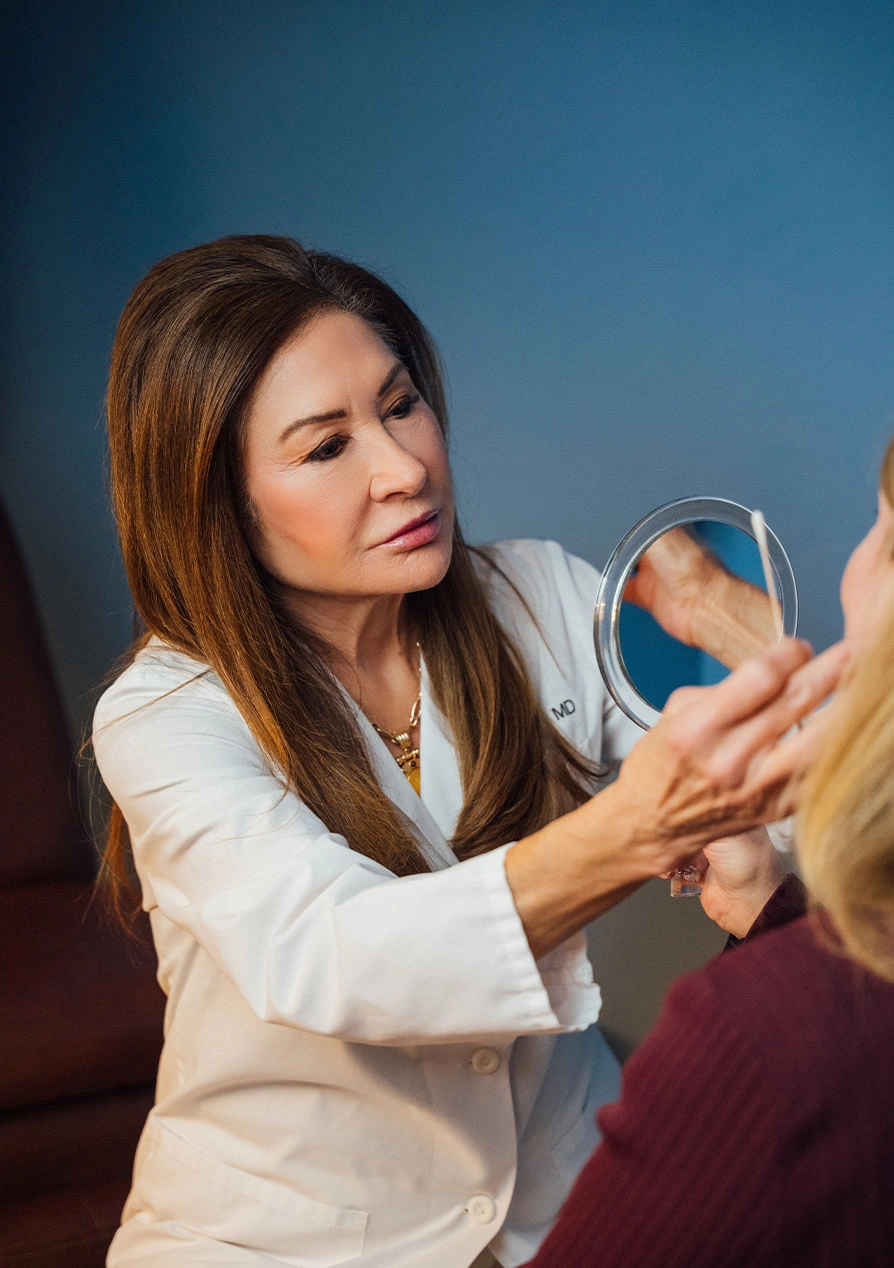
In an initial consultation, Dr. Casas will talk to you about your expectations and will examine your breasts. She will consider many factors, such as:

  • FDA regarding textured implants
  • the quality of your skin
  • the symmetry between your breasts
  • the quantity and quality of your breast tissue
  • your nipple size and position
  • your muscle and chest size

If you are considering breast augmentation in Chicago, you must be at least 18 years old and in good health.

Dr. Casas may recommend a breast lift in conjunction with augmentation if you have excess or loose skin. She will stress that a breast implant is not a lifetime device and will at some point require reoperation and replacement.

Steps of Selecting Your Implants

Choosing the right implants involves a careful balance of science and aesthetics. Dr. Casas takes into account your body frame, breast tissue, skin elasticity, and personal goals to guide each decision. You’ll explore different sizes, shapes, and materials through a combination of measurements, visualizations, and sizing techniques.

There are two types of breast implants that you can choose from, each offering unique characteristics suitable for every person’s individual preferences. Saline-filled implants are silicone shells filled with sterile saline. They provide a natural look with a life-like feel; some come pre-filled, while others are filled during the operation.

Silicone gel-filled implants are also made with a silicone shell, but they’re filled with gel rather than sterile saltwater. It’s a consensus that gel-filled implants look and feel more natural, but given what they’re filled with, they can pose greater health risks if they leak. Both options have the potential to deliver stellar results, but you should consider the complications and fine details of each method before making a choice.

What to Know About Fat Transfer Breast Augmentation

If you aren’t a fan of the silicone or saline options, you could consider resorting to a fat transfer breast augmentation. Also called autologous breast augmentation, this procedure involves harvesting fat from areas of the body, such as the thighs, buttocks, or abdomen, and injecting it into the breasts after the fat cells are purified.

This procedure has a unique approach and includes a list of factors to consider before undergoing surgery. The fat that is removed from one part and then injected into your breast may not survive, may be resorbed, or may create some lumps. A full discussion of the possible risks is critical before considering this type of breast augmentation. After the healing process, the surviving fat will have developed blood vessels in the tissue, which support your new look in the long term.

Another factor to consider is that fluctuations in your body weight can affect the results of your breast augmentation. Since this type of augmentation involves fat transfer, changes in your body weight can affect how you look. The optimal way to keep the results of your fat transfer breast augmentation is through a healthy lifestyle, through exercise, and a diet rich in vegetables and fruit. Because it’s relatively non-invasive, many women appreciate an easier path to recovery and the overall natural look and feel of the procedure.

Making the Right Decision About Breast Augmentation

As much as you’re ready to see change, it’s vital to pay close attention to your physical and mental health, as it’s a big decision to make and shouldn’t be taken lightly. Your surgeon will always work closely with you from the moment you walk through their door, but there’s plenty that you’ll have to think about and consider on your own.

You must ensure your mind and body are in the right place, but it’s equally important to know your surgeon and if they’re the right person for your body and the task at hand. You can easily find their qualifications in addition to their career history. You’ll also want to look for evidence supporting their career and skill set claims.

You might be pretty excited to face your surgery head-on and see the new you, but you always want to consider potential risks and have a clear vision of what you’d like your outcome to be. Once again, a knowledgeable surgeon will work with you on these different points to ensure you get the results you want in the safest and healthiest way possible. They will also discuss your financial situation, as it can be a costly procedure, and they won’t hide any realities about these costs from you before you decide to move forward.

What to Expect on the Day of Breast Augmentation Surgery

Your choice of implant enlargement size, shape, and other features will be determined by your breast anatomy, body type, and desired increase in size. Your lifestyle, goals, and personal preferences, as well as Dr. Casas’ recommendations, are also determining factors. Breast implants are medical devices with a solid silicone rubber shell. The implant shell may be filled with either saline solution (sterile salt water) or elastic silicone gel. Both saline and silicone gel breast implants are approved by the U.S. Food and Drug Administration (FDA). The size of a breast implant is measured in cubic centimeters (ccs) based on the volume of the saline or silicone filler. Breast implants vary both by filler and by size, and Dr. Casas will review your options with you.

Six weeks prior to breast augmentation surgery, Dr. Casas will provide you with a list of supplements to take, a topical cream to apply to the surgical area, and a list of foods and medications to avoid. This will ensure you are in optimal health and will provide for optimal healing.


expect

what to expect cont.

Typically, breast augmentation patients in Chicago undergo general anesthesia for surgery. When surgery is completed, you will be taken into a recovery area where you will continue to be closely monitored. Your breasts will be wrapped in gauze dressings and a surgical bra.

Dr. Casas’s Chicago clinic will provide you with a schedule of follow-up visits and appointments with a lymphatic massage therapist prior to your procedure. The massage is helpful for healing and reducing fluid and swelling around the implants. Bandages will be removed within a few days, and you may be instructed to wear a supportive bra and given exercises and self-massage to perform at home. Stitches will be removed in two to four weeks.

It is often possible to return to work within a week. Vigorous exercise, especially arm movement, may be restricted for three to four weeks. Dr. Casas will detail your schedule for return to normal activities based on the breast augmentation procedure performed.

Manual Lymphatic Drainage, administered by massage, is used after each procedure to reduce swelling. The number of sessions is individualized. It is important that patients follow a healthy lifestyle leading up to and following procedures, including not smoking, a healthy diet, and taking daily vitamins. In a letter to the Plastic and Reconstructive Surgery Journal, Dr. Casas writes:1

Preoperative Sizing for Breast Augmentation

By Dr. Laurie Casas, M.D.

Drs. Hidalgo and Spector demonstrate a valuable adjunct technique for preoperative sizing in breast augmentation in the February 2011 issue of Plastic and Reconstructive Surgery. Their approach is a patient-centric process that allows the patient to be the key decision-maker at a critical step in implant selection. Unfortunately, the study design has significant flaws, including the use of an unvalidated questionnaire and small cohorts that yield insufficient numbers for statistical analysis. These shortcomings of this “scientific article” should not deter the reader from understanding that this important patient-centric process is extremely valuable; however, “preoperative sizing” must be coupled with objective data from measurements and assessments of the patient’s chest wall; breast skin; tissue quality, quantity, and adherence; and nipple-areola position, size, and shape.

The finesse in the preoperative implant-selection process evolves as the plastic surgeon allows the patient to actively participate in the process while only offering patients implants to use for sizing that are tissue and dimensionally appropriate in width, height, projection, and volume so that the implant ultimately selected will fulfill the patient’s preexisting soft-tissue and chest wall requirements. Many patients will only reveal their unrealistic expectations through this type of patient-centric preoperative sizing process. Three-dimensional imaging may also help to evaluate patient expectations; however, the software is costly.

To achieve high rates of patient satisfaction and low reoperation rates for size dissatisfaction, the plastic surgeon must actively involve the patient. This method does provide the patient with that important decision-making power, but it must be masterminded by the plastic surgeon who has measured and evaluated the objective data from the clinical examination so that the patient is guided to choose the appropriate implant that will safely fill her unique breast dimensions yet provide her with an aesthetic result with which she is satisfied. As always, as plastic surgeons, we must not only merge scientific data with the artistry of plastic surgery but also practice the art of medicine in our approach to patient care. Bravo to Drs. Hidalgo and Spector for reminding us that the patient’s desires are a critical part of this implant-selection process.

References:

  • Casas, L. (2011, February). Letters to the Editor: Preoperative Sizing for Breast Augmentation. American Society of Plastic Surgeons.

Breast Augmentation Recovery

Your Guide to Post-breast augmentation Care

In the first few days, you may feel some tightness, swelling, and mild discomfort, which is completely normal and manageable with prescribed medications. A supportive surgical bra helps stabilize the implants while your body begins to heal.

Many patients are back to light daily activities within a week, although anything strenuous, especially upper-body workouts, needs to wait a few weeks.

Swelling gradually subsides over several weeks, and as the implants settle into their final position, the shape continues to refine. According to a study published in the official journal of the American Society of Plastic Surgeons, “98% of patients said their results met or exceeded expectations.”2

Following post-operative instructions closely makes a noticeable difference in how quickly and comfortably you recover, and Dr. Casas provides a clear, personalized roadmap so you always know what to expect.

How Much Does Breast Augmentation Cost in Chicago?

The cost of breast augmentation in the Chicago area can vary depending on the type of implants selected, the complexity of the procedure, anesthesia fees, and surgical facility costs.

During your consultation at Casas Aesthetic Plastic Surgery, you will receive a breakdown of costs tailored to your surgical plan.

Why Choose Dr. Casas?

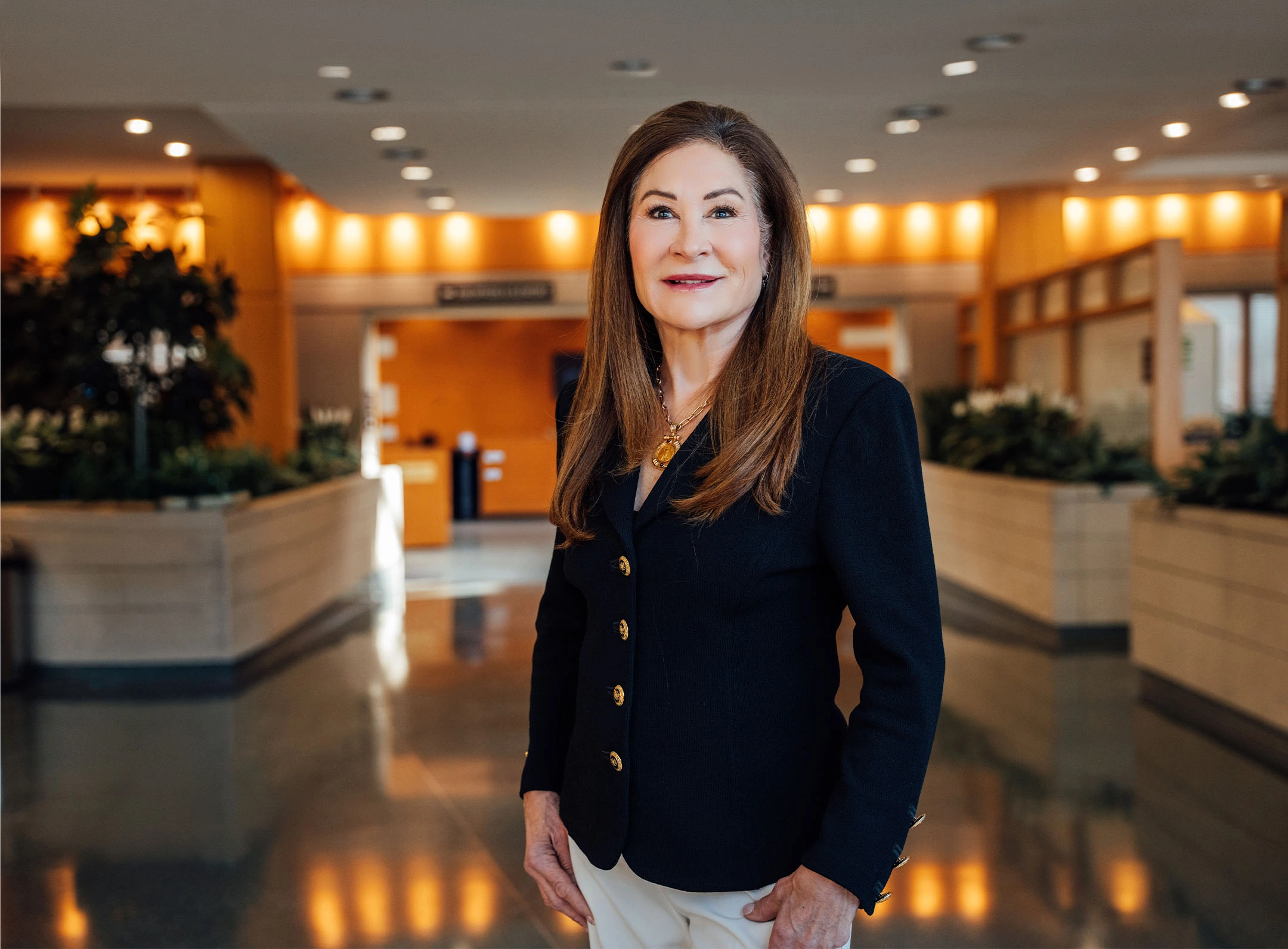
Dr. Laurie A. Casas was recognized by the New York Times as “One of the Top 4 Cosmetic Surgeons for Breast Implants in the USA”. She continues to serve as a National Spokesperson for ASPS and ASAPS and is widely recognized by her peers as a leading expert in the field. Dr. Casas has been quoted in many publications, including Vogue, Cosmopolitan, Allure, and the New York Times on the safety and aesthetics of breast implants.

why-choose

Breast Augmentation FAQ’S

Sources

  • ASPS reveals most Sought-After Procedures in 2022. (n.d.). https://www.allaboutimplants.com/breast-augmentation-news/2023/0926-plastic-surgery-statistics-2022.html
  • American Society of Plastic Surgeons. (2013, May 1). Breast augmentation patients report high satisfaction rates. https://www.plasticsurgery.org/news/press-releases/breast-augmentation-patients-report-high-satisfaction-rates
  • Multisite Analysis of 177 Consecutive Primary Breast Augmentations: Predictors for Reoperation. Leo R. McCafferty, MD, FACS, Laurie A. Casas, MD, Sandra S. Stinnett, DrPH, Samuel Lin, MD, Jason Rho, BA, Margaret Skiles, MD. Aesthetic Surgery Journal, Volume 29, Issue 3, May 2009, Pages 213–220, https://doi.org/10.1016/j.asj.2009.01.018

Schedule Your Consultation

casas aesthetic plastic surgery

If breast augmentation has been on your mind, this is your moment to take the next step and book a personal consultation with Dr. Laurie Casas at Casas Aesthetic Plastic Surgery.

Call (847) 657-6884 or text (847) 323-4511 to schedule your consultation or visit the practice’s website to request your appointment.

bg-schedule-consult-v2