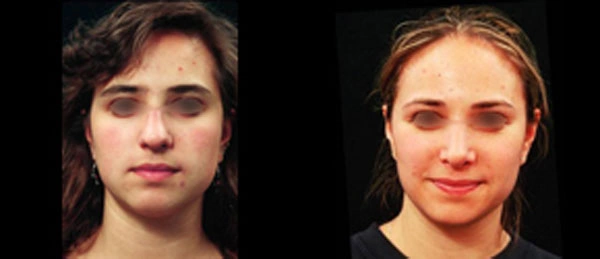
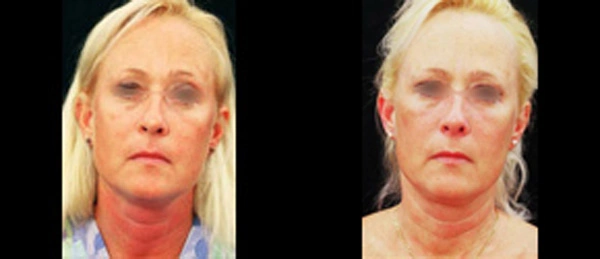
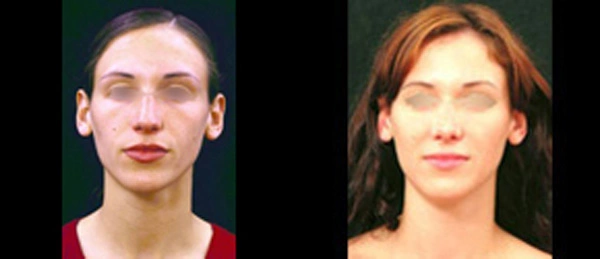
The open technique uses an incision on the columella, the small flap of skin separating the nostrils, to provide greater access to the nasal structures. Plastic surgeons are often able to correct more severe deformities and provide more precise corrections using the open technique. It does leave a visible scar at the bottom of the nose; however, the small scar will fade and become less noticeable over time.
The closed technique uses incisions placed inside the nostrils, which are not visible and thus have no noticeable scar. In addition, there is often less swelling and less recovery time. However, only milder nasal issues can be addressed using this approach.
Ethnic nose jobs can be divided into four categories based on the patient’s ethnicity. Each ethnicity tends to have similar complaints about its nose, which leads to a common set of procedures to correct these issues and help redefine the nose’s appearance.
An African American nose will typically have certain anatomic features that are common issues many patients seek to correct. These include:
- A wide and flat nasal bridge
- A bulbous tip of the nose
- Nostril flaring
- Thick nasal skin
- Weak nasal cartilage
These complaints lead the best rhinoplasty surgeons to recommend a variety of procedures. These can include:
- Alar reductions to reduce the width of the lower third of the nose
- Elevation and narrowing of the nasal bridge
- Redefining the tip of the nose
The most complicated aspect of these procedures is avoiding under- or overcorrection, which can ruin the symmetry of the nose. Therefore, Casas Aesthetics Plastic Surgery’s ethnic rhinoplasty experience makes it the ideal place to have these procedures performed.
Certain anatomical characteristics commonly seen in Hispanic and Latino patients include:
- A dorsal nasal hump
- A bulbous tip of the nose
- Weak septal cartilage
- Think nasal tissues
- Wide nasal base
These characteristics can lead to the following procedures being performed, depending on the patient’s needs. Common procedures include:
- Redefining the tip of the nose
- Reducing the width of the bottom third of the nose
- Reducing the appearance of a dorsal hump
Dr. Laurie A. Casas leverages her extensive experience and training to deliver dramatic improvements without compromising the beauty of the patient’s cultural heritage.
Patients of Middle Eastern ethnicity often feel that their noses are too large and droopy. This results from distinct characteristics that are commonly seen, such as:
- A dorsal hump
- Underdevelopment of the bony portion of the nose between the eyes
- Elevation of the nasal bridge
- A deviated septum
- An underdeveloped tip of the nose
To correct these characteristics of the nose, many of the best ethnic rhinoplasty plastic surgeons will recommend the following procedures:
- Reducing the dorsal hump and lowering the nasal bridge
- Elevating the bony portion of the nose between the eyes
- Straightening the nose
- Redefine the tip of the nose
The goal of many ethnic rhinoplasties in Middle Eastern patients is to reduce the size of the nose and provide a more defined appearance.
Patients of Asian ethnicity often have noses that appear wider and shorter, with less projection. This is often due to the following characteristics:
- A low and flat nasal bridge
- Wide and bulbous tip of the nose
- Wide nostrils
- Thick skin of the nose
- Thin nasal septum
This group of characteristics often requires the plastic surgeon to perform the following procedures to alter the appearance of the nose:
- Reducing the width of the bottom third of the nose
- Elevate the bridge of the nose
- Reduce the tip of the nose and increase its definition
Restoring the overall symmetry requires understanding the complex nature of the multiple procedures to ensure each is performed correctly. Dr. Laurie Casas’s in-depth experience has played an essential role in ensuring the best outcomes for her Asian patients.