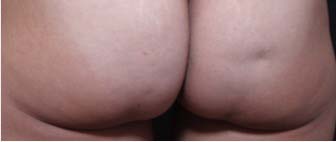
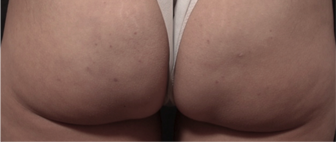

“A Refreshing Approach to Patient Care!”
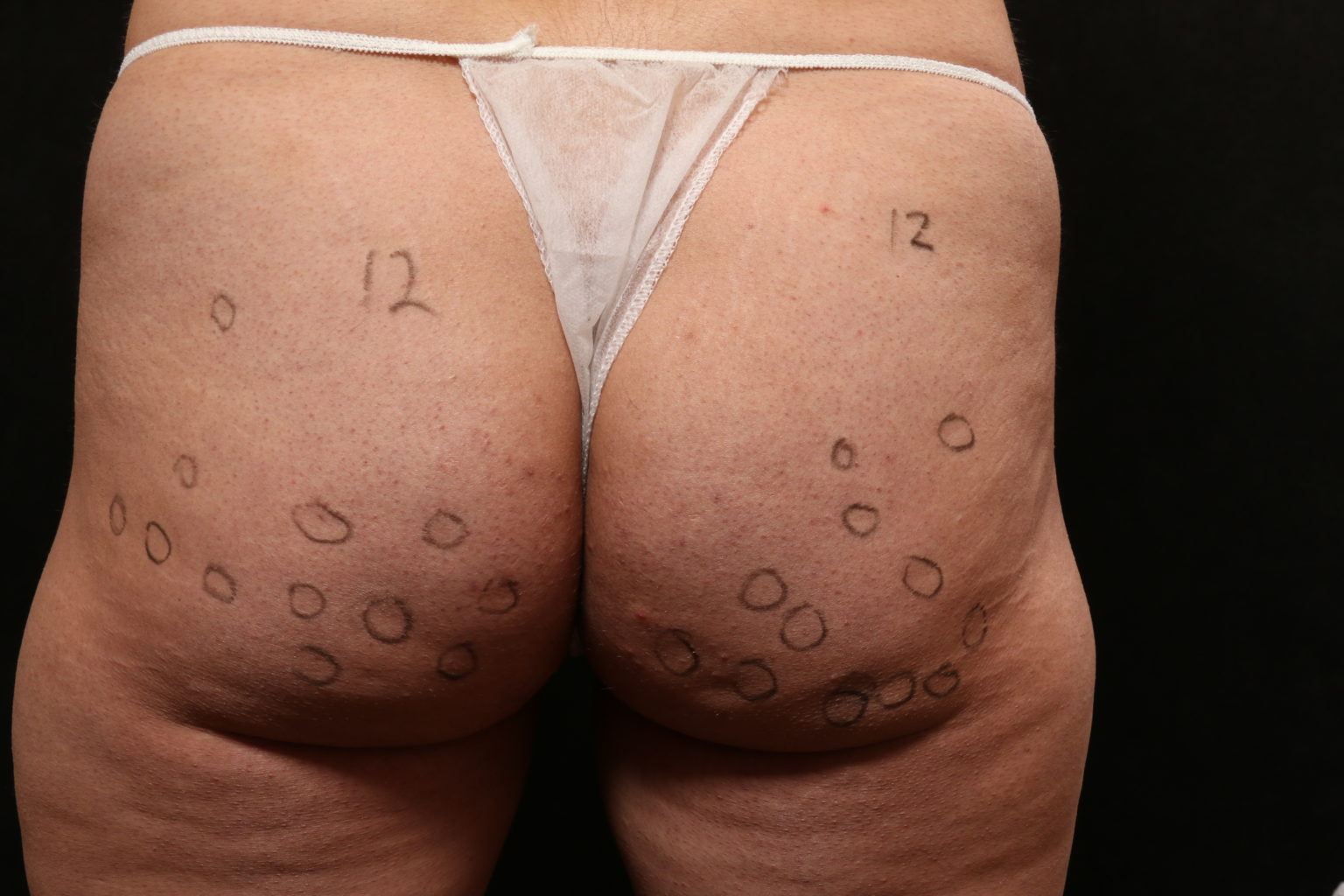
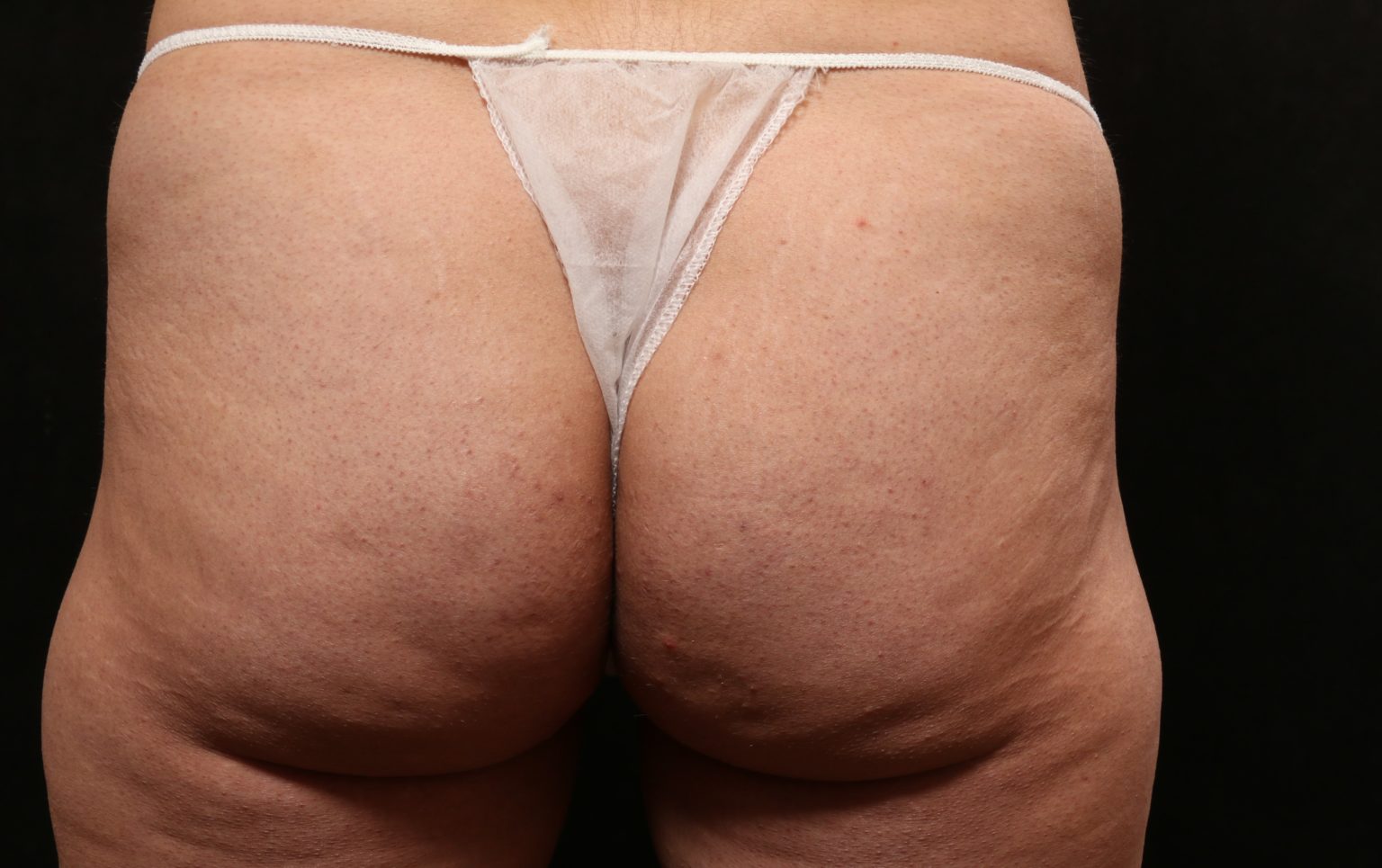
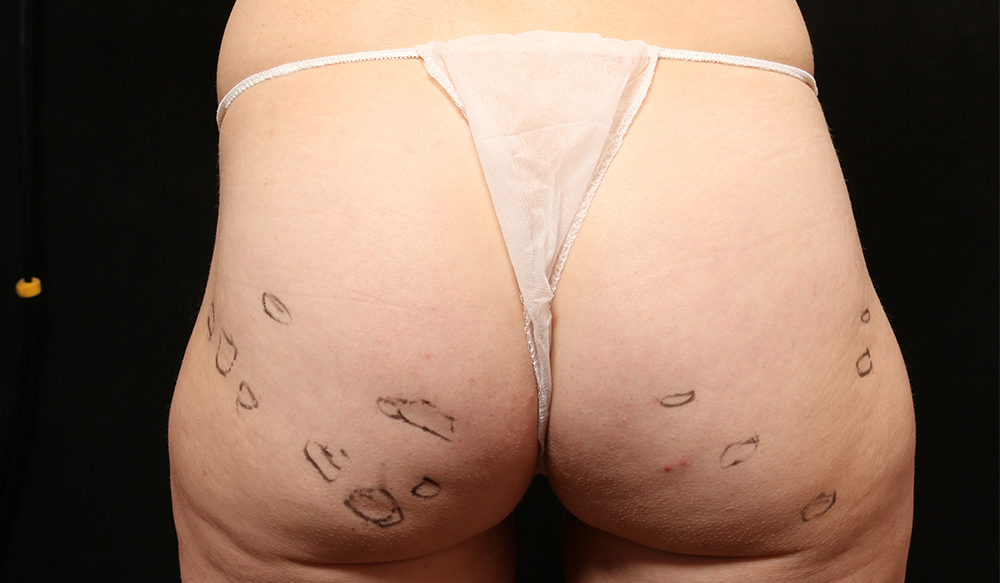
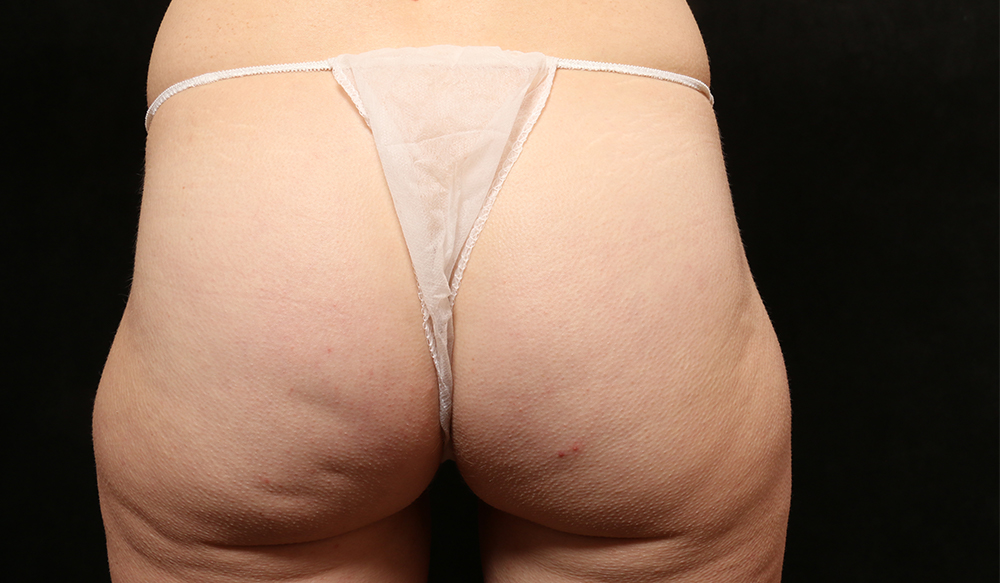
In my search for the most experienced Aveli surgeon, I arrived in the expert hands of Dr. Casas. Her approach to patient care began with collaborative dialogue on my goals and lifestyle. She was thorough in her explanation of Aveli and shared reasonable timelines & expectations.
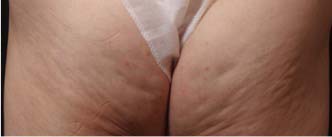
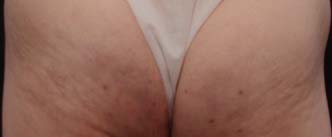
Throughout the process, she prioritized her emphasis on patient education, preparation and extensive post care support for all procedures. Following her detailed guidance before, during, and after, I was able to achieve the look I was hoping for with Aveli for my rear buttocks and thigh areas. Now, 6 months later I am very happy with the noticeable improvements in the numerous dimples that had bothered me for years.
Dr. Casas is a rare find in the medical world because she includes extensive support prior and after her procedures to help her patients get the best results possible & feel their best after investing time and money to do so. Highly recommend Dr. Laurie Casas!
What is a Cellulite Treatment?
As women, we all understand the value of a safe, reliable, and truly minimally invasive treatment for the structural causes of cellulite. The medical terms for cellulite are adiposis edematosa, status protrusus cutis, and orange peel skin. 98 – 85% of females, regardless of whether they are thin, normal weight, or overweight, develop some degree of cellulite after puberty. This cellulite is most often on the buttocks, thighs, and abdomen. (1,2) Most clinicians believe the causes are multifactorial, ranging from hormonal, genetic, diet, and exercise habits, to possible inflammatory changes. (1,3, 5,6)
Hormones such as estrogen, insulin, and prolactin may play a role in the development and worsening of cellulite. (1) Researcher Enzo Emanuele and his co-authors published their findings in 2010, demonstrating that the ACE and HIF1A genes may be involved in predisposing females to developing cellulite post-puberty. (7) A lifestyle that includes a poor diet, fad yo-yo dieting, lack of physical activity, and chronic dehydration may all contribute to an increase in the appearance of cellulite.